How to Choose the Right Commercial Dishwasher for a Small Restaurant

Table of Contents

Opening a small restaurant, boutique bistro, or cozy café is an exciting entrepreneurial journey. Every square foot and ringgit counts toward maximizing efficiency and profitability. While residential dishwashers might seem tempting for budget-conscious startups, they lack the sanitization power and speed required for food service compliance. Selecting the right commercial dishwasher for small restaurant operations ensures sparkling tableware, rapid table turnover, and adherence to local health regulations.

Navigating the market requires balancing physical kitchen constraints, daily meal volume, electrical requirements, and your equipment budget. This guide provides a clear roadmap to help small business owners make an informed investment.

Why a Commercial Dishwasher is Essential for Small Restaurants

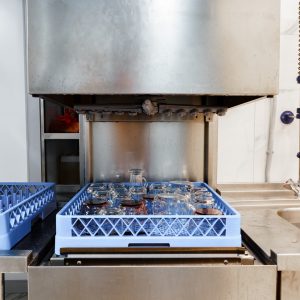
Even in compact kitchens, a dedicated commercial unit is indispensable. A reliable commercial dishwasher for small restaurant setups delivers several vital benefits:

  • Rapid Wash Cycles: Commercial machines sanitize full loads in 90 seconds to 3 minutes, compared to residential cycles that take over an hour.

  • Health Code Compliance: High-temperature sanitizing rinse (typically 82°C) or certified chemical sanitization eliminates harmful bacteria instantly.

  • Labor Efficiency: Your kitchen staff spends less time scrubbing plates and more time prepping food and serving customers.

Evaluating Space and Layout Constraints in Small Kitchens

Small restaurant kitchens often suffer from tight floor plans. Before purchasing, measure your scullery area precisely:

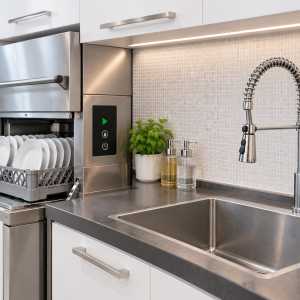
  • Undercounter Models: The gold standard for small restaurants. They fit neatly beneath prep counters, saving floor space while offering robust washing power.

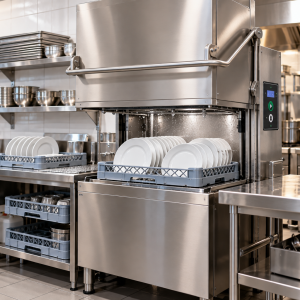
  • Compact Hood-Type Units: If your small restaurant experiences intense peak rushes with high plate turnover, a compact pass-through machine can work if adequate clean and soiled dish tables fit your layout.

Assessing Daily Covers and Wash Volume

Estimate how many diners you serve during peak hours. A small bistro serving 50 to 100 covers daily will thrive with an undercounter unit processing 20 to 30 racks per hour. Ensure your chosen machine can handle peak loads without causing a bottleneck in your kitchen workflow.

Utility Requirements: Water, Power, and Drainage

Small restaurant owners must verify existing utility infrastructure before installation:

  • Electrical Supply: Many commercial dishwashers require dedicated high-voltage or three-phase electrical connections to power internal booster heaters.

  • Plumbing and Drainage: Ensure your kitchen has adequate water supply pressure and gravity drainage or drain pumps suited for the machine’s discharge rate.

Category :

Share :