How to Calculate the Total Cost of Owning Commercial Kitchen Equipment

Table of Contents

When budgeting for a new restaurant, café, or hotel kitchen, it is easy to focus exclusively on the initial sticker price of machinery. However, experienced operators know that purchasing an ice machine, dishwasher, or reach-in refrigerator is only the beginning of the financial commitment. Calculating the commercial kitchen equipment total cost of ownership (TCO) is essential for accurate business forecasting, long-term profitability, and smart equipment selection.

From installation and utility consumption to routine maintenance and replacement parts, understanding TCO reveals the true financial impact of your kitchen assets. This guide walks you through the core components of equipment ownership.

Initial Acquisition and Installation Costs

The first component of TCO is the upfront capital expenditure:

  • Purchase Price: The baseline cost of acquiring the commercial ice machine, dishwasher, or prep counter.

  • Delivery and Professional Installation: Specialized plumbing, electrical wiring, and professional setup fees required to make the equipment operational.

  • Water Filtration Systems: Initial setup costs for water softeners and inline filters to protect your equipment from scale damage.

Ongoing Operational Expenses (Utilities)

Equipment running costs accumulate every single day:

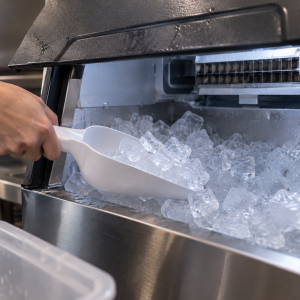
  • Electricity Consumption: Refrigeration compressors, ice makers, and dishwasher booster heaters draw significant continuous power. Energy-efficient models reduce this overhead.

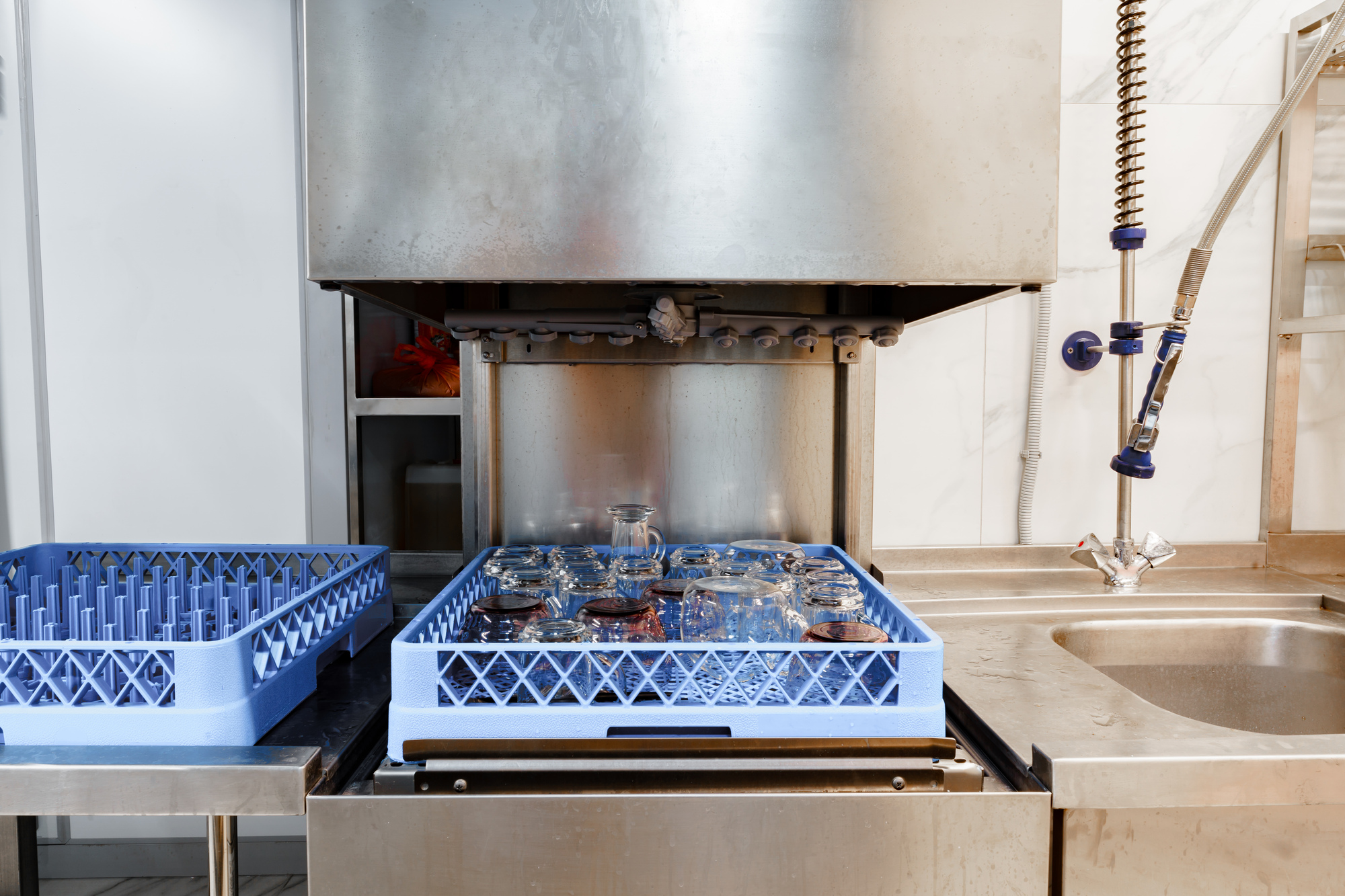
  • Water Usage: Commercial dishwashers and ice production systems consume substantial water, impacting monthly utility bills.

  • Cleaning and Sanitization Chemicals: Specialized commercial dishwashing detergents, rinse aids, and deliming chemicals represent a recurring monthly operating cost.

Maintenance, Servicing, and Repair Costs

Even the highest-quality commercial kitchen equipment requires periodic upkeep:

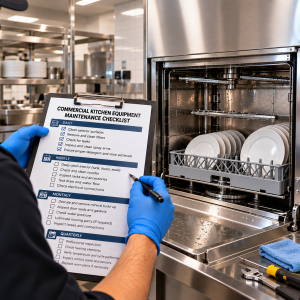
  • Preventive Maintenance: Scheduled servicing by certified technicians to clean coils, check valves, and replace worn seals.

  • Replacement Parts: Filter cartridges, spray arms, gaskets, and pump components that experience normal wear and tear over time.

Evaluating the commercial kitchen equipment total cost of ownership allows business owners to make informed purchasing decisions that prioritize long-term efficiency over cheap upfront pricing. Investing in high-quality, energy-efficient commercial equipment pays dividends over its operational lifecycle.

Category :

Share :