In a busy restaurant kitchen, equipment works under immense daily stress. Among all back-of-house assets, the commercial dishwasher endures continuous hot water, harsh chemicals, and heavy food debris. While regular maintenance and prompt repairs can extend a machine’s lifespan, every commercial dishwasher eventually reaches a point where continued repairs cost more than a replacement. Knowing when to replace commercial dishwasher units prevents catastrophic scullery breakdowns during peak dinner service.
This guide outlines the clear warning signs that indicate your restaurant’s dishwasher has reached the end of its operational lifecycle.
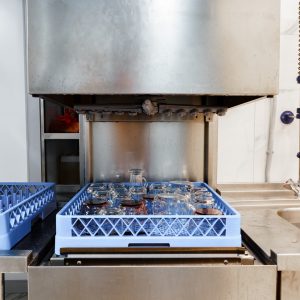
If your dishwasher requires service calls every few months, repair costs and lost operational time are eating into your profits. When cumulative repair bills start approaching the cost of a new, energy-efficient machine, upgrading is the financially sound decision.
The primary job of a commercial dishwasher is flawless hygiene. If tableware consistently emerges with food residue, greasy films, or water spots despite clean wash arms and correct detergent levels, internal pumps, water valves, or heating elements are likely failing beyond repair.
High-temperature commercial dishwashers rely on functional booster heaters to reach the sanitizing final rinse temperature of 82°C. If your machine repeatedly fails to reach temperature or takes excessively long to heat up, the heating system is nearing the end of its life.
While minor seal replacements are normal, severe rust on stainless steel wash tanks, cracked internal housings, or chronic water pooling around the machine indicate structural failure. Constant leaks pose dangerous slip hazards for your kitchen staff.
Older dishwasher models consume significantly more water and electricity than modern, energy-efficient units. Upgrading to a new commercial dishwasher delivers immediate savings on monthly utility bills while speeding up wash cycles.
Recognizing the signs of when to replace commercial dishwasher equipment protects your restaurant from health code violations, labor bottlenecks, and sudden operational shutdowns.
WhatsApp us