Commercial Ice Machine vs. Domestic Ice Maker: What’s the Difference?

Table of Contents

When starting a small café, kiosk, or home-based food business in Malaysia, entrepreneurs often look for ways to cut initial startup costs. A common temptation is purchasing a consumer-grade domestic ice maker or relying on residential refrigerator ice trays instead of investing in professional equipment. However, understanding the critical differences between a commercial ice machine vs domestic ice maker is vital for anyone operating in the food and beverage industry.

While domestic units work well for household gatherings, they are fundamentally unequipped to handle the rigorous demands of commercial food service. This guide explores why upgrading to commercial refrigeration is non-negotiable for business success.

Production Capacity and Speed

The most immediate contrast in a commercial ice machine vs domestic ice maker comparison is production output:

  • Domestic Ice Makers: Typically produce between 10 to 15 kilograms of bullet or small bullet ice per 24 hours, with small storage bins that fill up rapidly.
  • Commercial Ice Machines: Engineered to produce anywhere from 50kg to over 500kg of ice daily, ensuring your business never runs out during peak lunch or dinner rushes.

Build Quality and Durability

Commercial kitchens operate in high-temperature, humid environments. Domestic appliances are built with lightweight plastics and light-duty compressors designed for intermittent household use.

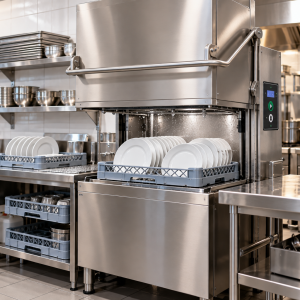
In contrast, commercial ice makers feature food-grade stainless steel exteriors, heavy-duty refrigeration compressors, and robust internal evaporator plates built to run continuously for years under demanding conditions.

Hygiene and Sanitation Standards

Food safety regulations in Malaysia require strict hygiene compliance for any food-contact equipment.

  • Domestic ice makers lack advanced self-cleaning cycles or compatibility with heavy-duty commercial water filtration systems.
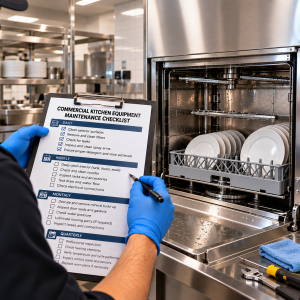
  • Commercial units are designed for easy disassembly, cleaning, and sanitization, preventing mold, slime, and bacterial contamination in compliance with health standards.

Long-Term Cost Efficiency

While a domestic ice maker has a lower upfront purchase price, attempting to use it in a commercial setting is a false economy. Consumer units burn out quickly under continuous commercial workloads, leading to frequent replacement costs and lost business revenue during breakdowns. Investing in commercial equipment guarantees long-term reliability.

Category :

Share :